

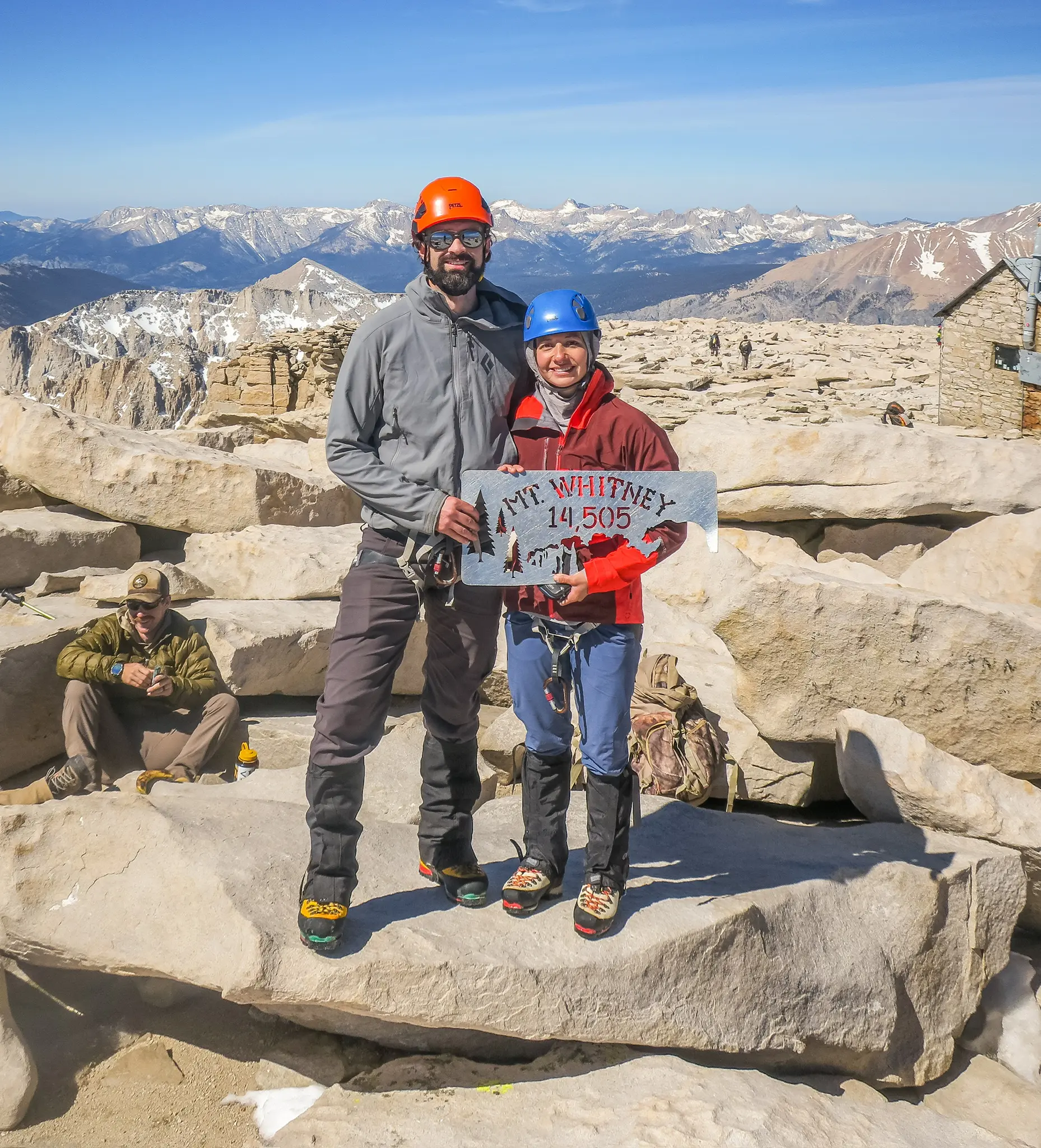
Earlier this week my wife and I had the great privilege of climbing Mount Whitney, the highest peak in the contiguous United States at 14,505 feet.
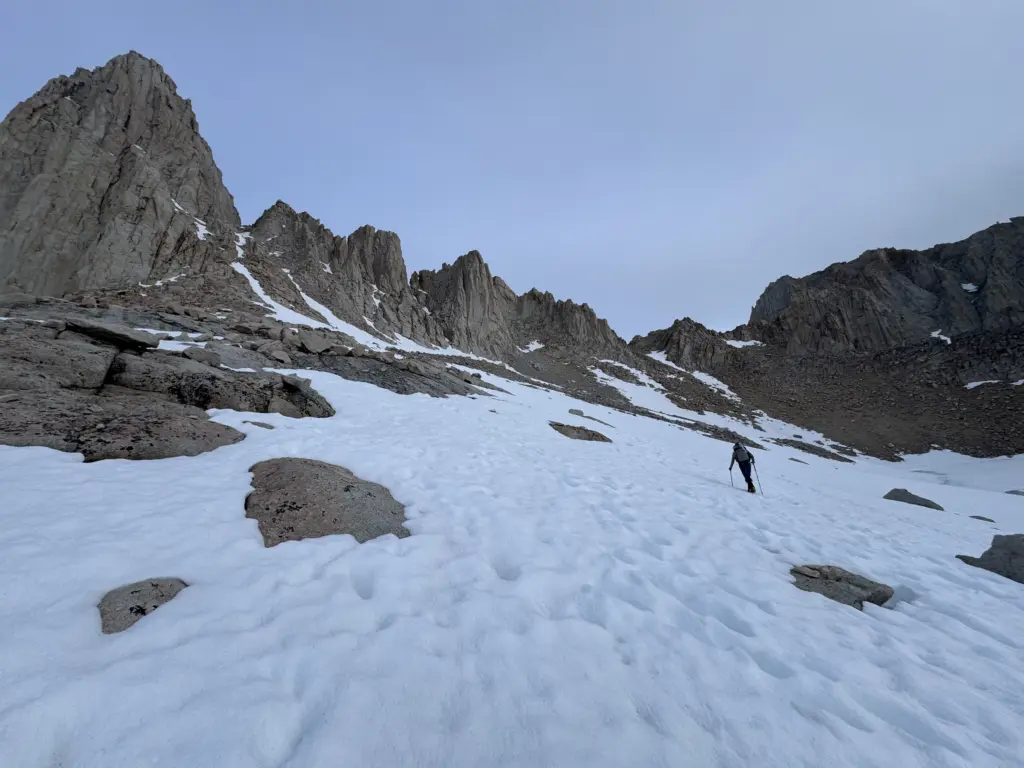
The climb, via the Mountaineer’s Route, was spectacular. First climbed by John Muir in 1873, The Mountaineer’s Route exploits a natural weakness in Mount Whitney’s imposing east face. From Whitney Portal, it roughly follows the North Fork of Lone Pine Creek up ledges and through alpine basins before climbing a steep couloir to the crest. From there, careful negotiation of rock and ice through a fault in the north cliff grants passage to the summit plateau.
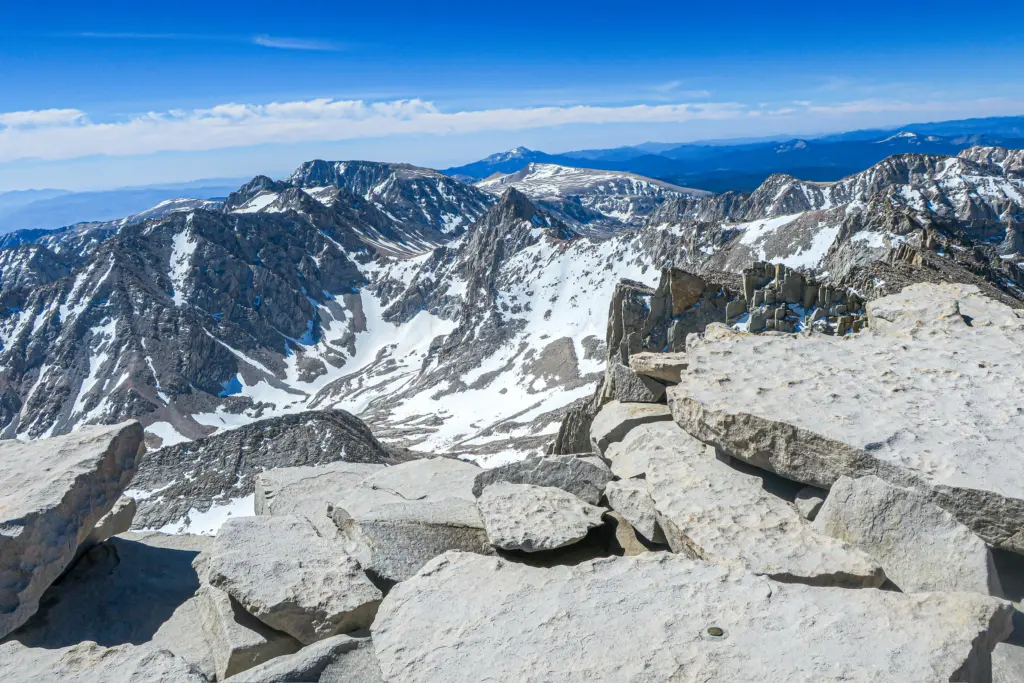
After recovering and enjoying the views from the summit, we chose to descend via the Mount Whitney Trail. While I appreciated the natural elegance of the route we ascended, as an engineer and builder, I was even more impressed by the trail we descended.
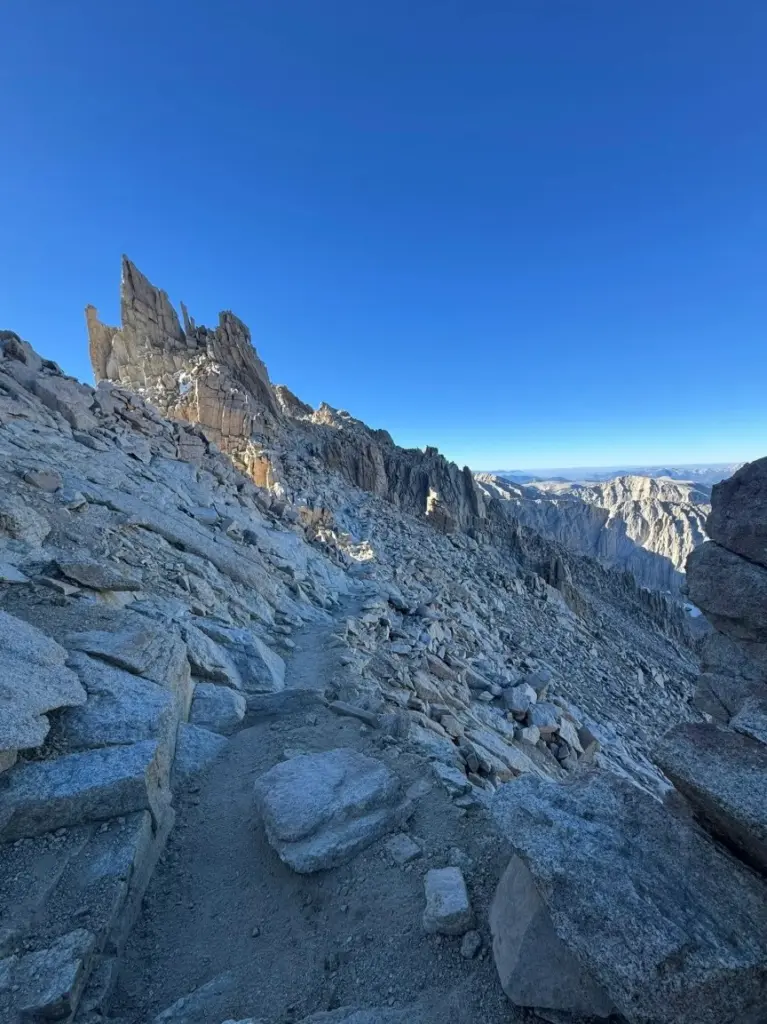
The Mount Whitney Trail is not just a path through the mountains. It is a sustained piece of backcountry engineering that threads its way through steep granite, loose talus, and high alpine basins, maintaining a surprisingly consistent and efficient grade from Whitney Portal to the summit. I had plenty of time as I walked to wonder who had carved this path and ponder the immense effort it must have involved. After a shower, sleep, and food, I opened my internet browser to find out what I could about the trail’s construction. The story that emerged turned out to be fascinating and inspiring.
Much of the Mount Whitney Trail’s current alignment traces back to work done in 1903 by soldiers in the U.S. Army’s 9th Cavalry Regiment (an all-black regiment) under the leadership of Captain Charles Young. These men, commonly known as Buffalo Soldiers, are largely responsible for most of the trails on Mount Whitney today. Volumes could be written about Buffalo Soldiers and the extraordinary life and career of Charles Young. Here, however, I’ll focus on the trail-building legacy they left on Mount Whitney.
What they built is more than a rough track. At times carved into solid rock on extremely steep slopes, the paths were built to be navigable by mule teams. The builders worked in extremely remote, high elevation alpine conditions using only hand tools, pack animals, ingenuity, and determination. Even today, with modern equipment, access constraints, rock excavation, drainage control, and steep grades remain major challenges. In 1903, those same challenges were met with shovels, picks, black powder, and what must’ve been an extraordinary amount of persistence and teamwork.
In just one season, Young and his regiment laid out and constructed a trail on the West side from Guitar Lake to the summit of Mounty Whitney (now the southernmost segment of the John Muir Trail). While that work was progressing, a detachment of soldiers started work on a trail approaching from the east from the town of Lone Pine which would meet the west-side trail a couple of miles from the summit. All but the 2-mile section between Trail Camp and Trail Crest of what would become known as the Mount Whitney Trail was completed by the time the short alpine summer ended and most of the regiment returned to San Francisco.
The citizens of the Town of Lone Pine, seeing how close they were to having a trail to cross the crest, got together and raised enough money as a community to complete the task. A team led by Gustav Marsh, a local engineer, built the final, and probably most challenging, two miles of trail in 1904.
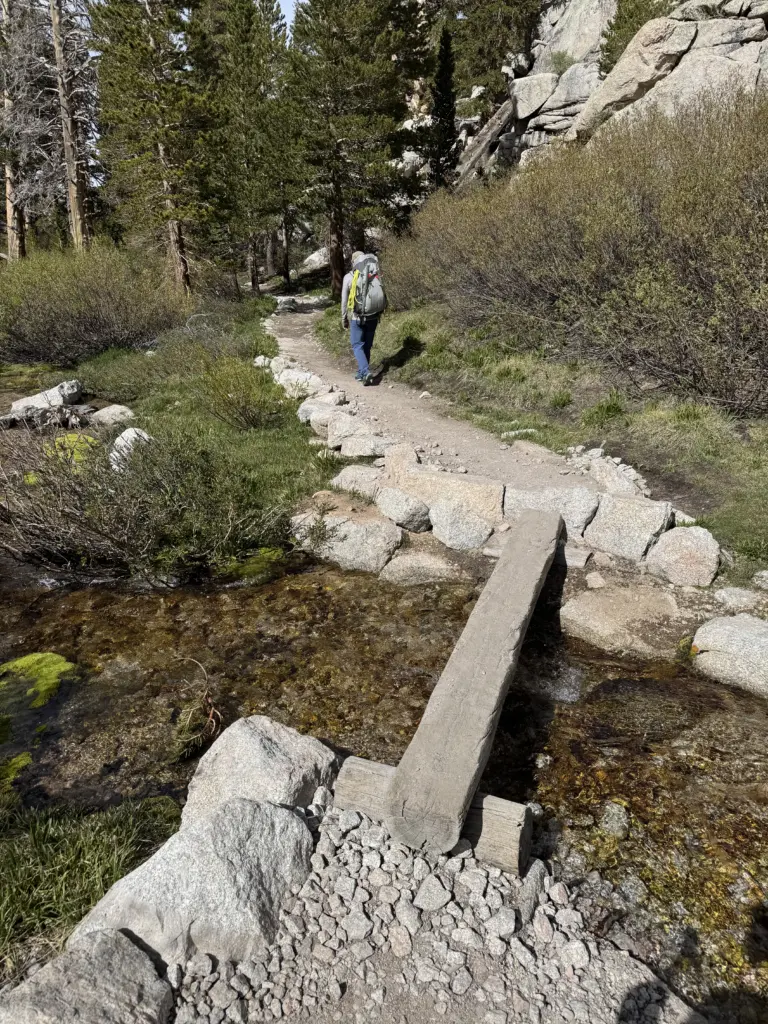
Of course, the Mount Whitney Trail has not remained frozen in time. Over the last dozen decades storms, erosion, rockfall, and heavy use have required sections to be repaired, reconstructed, and occasionally rerouted. Thanks in part to the countless men and women who have cared for it over the years, the route’s core remains largely intact. Hikers still follow the path conceived by its early builders—a lasting testament to their vision and quality of work.
Standing on the summit was memorable. The vastness of the Sierra inspires a sense of humility and reminds us that we are only a small part of a much larger natural story. Yet the trail down the mountain offered its own lesson in humility. Mile after mile, it told the story of people who, through skill, perseverance, and teamwork, created something that has endured for generations. It left me with a deep respect for the people who first made the mountain more accessible, for those who continue to care for it, and for the enduring value of building things well.